Explore the options of Art-Making for Fun (solo, with a friend or date, or group) or consider Expressive Arts Therapy


Art making is a fun way to spend time with friends, meet new people, experience a different kind of date-night, or enjoy creative solitude! At po-e-sis, we welcome spontaneous artists (that's all of us) to visit and make something! Also, some use art-making in a more formal therapeutic process called, expressive arts therapy, combining creativity with psychological healing. At po-e-sis, we offer a range of arts-related experiences designed to help individuals play, contemplate, express emotions, explore thoughts, and foster personal and relationship growth. Whether you are an experienced artist or a complete novice, po-e-sis provides a supportive environment for self-discovery, friendship bonding, community building, and even healing through art.
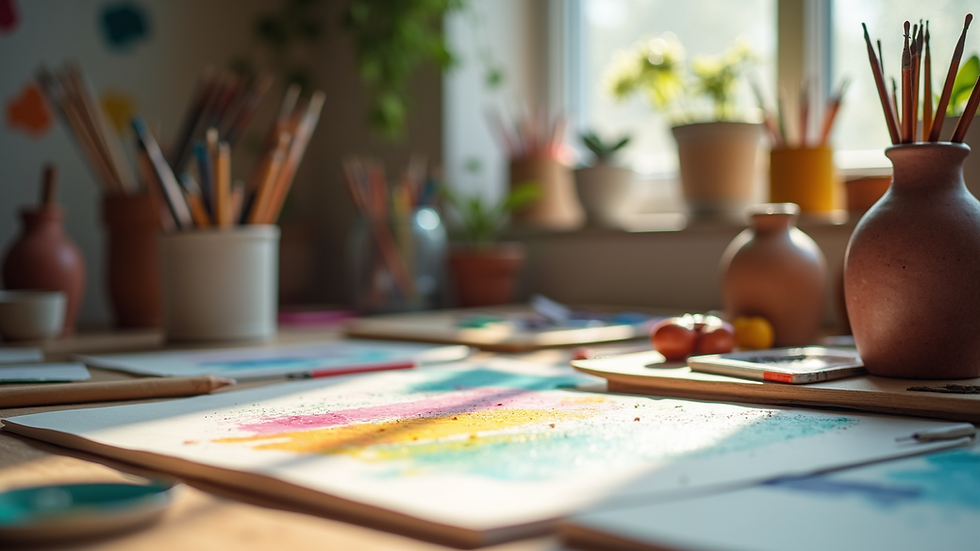
What is Expressive Arts Therapy?
Expressive Arts therapy is a type of counseling that uses creative processes in a variety of artistic media to help individuals to explore who we are and who we are becoming! Expressive arts therapy can also help with addressing emotional, psychological, and social challenges. Creative expression of all types and of different artistic processes working together can foster healing and personal growth. Here are some key aspects of expressive arts therapy:
Creative Expression: Participants use various art forms, such as painting, drawing, and sculpting, movement, and music to express feelings and ideas, which can be difficult to articulate fully verbally.
Creative Exploration: Participants often use art making in a way that isn't exclusively "expressive" but rather more exploratory, and sometimes participants make art not for what it will help them communicate nor for the insights it will provide, but for the joy or other value of the creative process itself! This act of being creative is healthy in and of itself.
Therapeutic Relationship: Expressive art therapists guide participants through the creative process, providing support and insight, but their most important role is that of supportive witness.
Self-Discovery: Engaging in art can lead to greater self-awareness and understanding of one’s emotions and experiences and can provide insights about one's life-- it can also be a powerful stress reliever and way of practicing ongoing self-care.
Community Building: Working together on art making and sharing individual art helps build groups by broadening and deepening our understanding of one another and promoting actions toward shared goals within and beyond the art making experience.
Expressive arts therapy is beneficial for individuals dealing with anxiety, depression, trauma, and other mental health issues. It can also be a valuable tool for personal development and maintaining personal health and community strength or group well being.
The Benefits of Expressive Arts Therapy
Expressive arts therapy offers numerous benefits, including:
Emotional Release: Creating art allows individuals to release pent-up emotions and express feelings in a non-verbal way.
Stress Reduction: Engaging in creative activities can reduce stress and promote relaxation.
Improved Self-Esteem: Completing an art project can boost confidence and provide a sense of accomplishment.
Enhanced Communication Skills: Art can serve as a bridge for communication, especially for those who struggle to express themselves verbally.
Insight and clarity about one's resources and next steps: art making often helps people become aware of sources of support and personal strengths that they may not have considered utilizing, or they may not have realized that these resources can be applicable to certain life situations in which they may have felt stuck or particularly challenged.
At po-e-sis: a Creative place, we trust in the benefits of art making for all! We are also available for some individuals who seek a professional counseling relationship to help navigate their emotional landscapes or find healing or a plan of self-care which includes guidance in creativity, through expressive arts therapy.
Art Making Experiences Offered at Po-e-sis
At po-e-sis: a creative place, we offer a variety of activities tailored to different needs and interests. Here are some of the ways you can participate in art making at po-e-sis:
1. Introduction to Expressive Arts Therapy
Getting to know expressive arts therapy is best done by engaging in the creative process and talking about what this process is. One can hear or read about the benefits of artistic experience--but knowing how it feels adds an important type of learning to the experience, that type of learning is actually called "poeisis," ("coming into being", and "learning through making") and inspired the name for our studio. An introduction to Expressive Arts Therapy can be provided as a solo session or for a group, and is perfect for beginners. Participants will learn the basics of expressive arts therapy and engage in simple creative exercises to explore a feeling.
2. Expressive Painting
Through expressive painting, participants use painting as a medium to express whatever they wish, from a feeling to an idea or concept. Guided by a trained expressive arts therapist, you will explore color, texture, and form to create meaningful artwork, which is valuable in and of itself, yet you'll also have the opportunity to work with guidance to use your art as an instrument to support your decision making and actions in the other arenas of your life.
3. Sculpting emotions, dreams, & responses to nature
Sculpting can be a powerful way to express emotions of all types or to get to clarity about one's responses to dreams and other experiences. Often the natural world serves as inspiration for a project with clay. At po-e-sis, sculpting focuses on texture, shape, sensation--and not "perfection" or even functionality of what's created-- we often use clay as a way to celebrate and have fun or to explore and express more difficult emotions--and the process is just as important as the art-work created.
4. Mindfulness and Art
At po-e-sis: a Creative place, we always encourage combining mindfulness practices (paying attention moment-by-moment in a non-judgmental way) with art-making. The facilitator also encourages participants to focus on the present moment while creating. Mindfulness and art making combine into a great way to reduce anxiety, increase focus, and enhance relaxation. If you want to build your own mindfulness practice through art making, we go a little deeper in exploring what mindfulness means and ways of experiencing it.
5. Group Expressive Arts
Getting creative in a group nearly always fosters a sense of community and connection. Participants work individually and together on collaborative art projects, sharing their experiences and supporting one another in the creative process. At po-e-sis, we regularly have "spontaneous" group art making, which isn't "therapy", yet has many benefits of shared conversation and creativity! If you want to offer to a group you are already a part of a fun, personally enriching and connection-building experience, arrange a group program at a time that works for your group!
BYOP (Bring your own project)
You may have an idea for an art project you've already started or have been meaning to start. We welcome you to bring your ideas or an unfinished art piece and work in the company of a few other artists. If you decide on this option, please contact us ahead of time to let us know the process you want to do at po-e-sis, so we can consider your space and supplies needs and pricing so together we can consider if po-e-sis will be a good place to work on your project.
What to Expect When You Come to po-e-sis: a CREATIVE place?
When you arrive at po-e-sis: a Creative place, whether it's to make some art on your own, with a friend or date, with a group of friends or colleagues, or to join us for an expressive arts based workshop or event, you can expect a welcoming and supportive environment. Here’s what typically happens during a session:
Warm-Up Activities: Each session begins with warm-up exercises to help participants relax and get into a creative mindset.
Guided Art-Making: The leader will guide you and any other participants through the creative process, offering prompts and support as needed.
Reflection and Sharing: After creating, participants are encouraged to reflect on their artwork and share their experiences if they feel comfortable.
All of arts processes are designed to be flexible, allowing participants to engage at their own pace and comfort level.
If you want to focus your art-making on promoting your well-being as a regular self-care practice or as a way of healing emotionally or navigating a challenging time, you may want to know:
Who Can Benefit from Expressive Arts Therapy?
Expressive Arts therapy is suitable for a wide range of individuals, including:
Healthy Adults: Those dealing with stress, anxiety, or life transitions can find solace and a way to maintain mental health via creative expression and the support of a trained therapist.
Individuals with Trauma experiences in the past or who are facing life-threatening illness or other serious challenges: Those who have experienced trauma can use art to process their experiences in a non-threatening way. Those who are experiencing significant illnesses and grief, similarly, can use art as a way of being with a difficult emotion, resting from worries about one's serious health concern and other difficult experiences, and discovering insights and resources for managing the strain they may be having in life.
Groups: Families, couples, and mutual-support groups, even teams can benefit from collaborative art-making experiences and a series of sessions led by an expressive arts therapist.
No prior art experience is necessary. The focus is generally more on the process of creation rather than the final product.
Contact Julie King Murphy, LCMHCA, NCC directly at Julie@po-e-sis.com or Juliekingmurphy@gmail.com to set up an initial phone consultation to explore whether a series of expressive arts therapy sessions with Julie is right for you.
Consider a consultation with Julie. You may end up meeting on-line or in person, and possibly you'll use space at po-e-sis, and if you do, we'll arrange your session to be outside of normal spontaneous artist visit hours, so that you can be assured of privacy.
Prepare for Your Session: Come with an open mind and a willingness to explore your creativity. All materials will be provided.
Frequently Asked Questions
What should I bring to po-e-sis?
All art supplies are provided. However, you may want to bring a journal for personal reflections.
How long should I plan for an art-making or therapy session at po-e-sis?
Whether you come to engage in a creative process for personal fun or as a date or social experience or whether you're coming to po-e-sis for therapy, most individual sessions last 1.5 hours and most group sessions last 2 hours, allowing ample time for art making, sharing, and reflection. Yet, you can work with Julie to design an event or experience of different timeframes.
We invite you to join us in exploring the transformative power of creativity. Whether you are looking to heal from past experiences, reduce stress, or simply explore your artistic side as a potential hobby and way of meeting others, po-e-sis: a CREATIVE place provides a nurturing environment for the art that awaits you!
Take the first step towards your creative journey today. Visit our website to learn more about projects available at po-e-sis: a CREATIVE place. Reach out to Julie, if you think you may be interested in expressive arts therapy, or take a look at past events, check out our upcoming special events, and register for one that resonates with you. Or just get in touch to experience art making at po-e-sis. Your art is waiting! (juliekingmurphy@gmail.com or Julie@po-e-sis.com)
Comments